
Are you an African Diaspora entrepreneur transforming the agrofood sector and making a real impact in Africa, Europe or the Caribbean? The Food Bridge is inviting you to apply for the 2026 African Diaspora Agrofood Entrepreneur of the Year Award, to be presented at the 10th African Diaspora Agrofood Forum (ADAF26).
We are looking for entrepreneurs with at least three years of experience whose businesses or projects demonstrate clear social, economic, development and cultural impact. We particularly want to celebrate entrepreneurs creating jobs, strengthening local economies, promoting sustainable food systems, preserving African and Caribbean food heritage, and creating positive change in their communities.
Why apply?
Gain international visibility, showcase your impact, connect with potential partners and investors, and join a growing network of African Diaspora agrofood changemakers. Winners also get support from our partners Entrepreneurs for Entrepreneurs Belgium.
📅 Application deadline: 30 September 2026
👉 Apply and find out more:
www.thefoodbridge.org/2026 African Diaspora Agrofood Entrepreneur of the year or email This email address is being protected from spambots. You need JavaScript enabled to view it.
Know an inspiring African Diaspora agrofood entrepreneur? Please share this call with them!
On October 26 2026, Wageningen University & Research will be organizing a symposium on the role and potential of neglected and underutilized species for healthy and sustainable diets globally.
The event includes presentations from experts throughout the food system, from leading researchers in seed systems, political economy, nutrition, biodiversity of diets, and ethnobotany to famous chefs and journalists.
Key note speakers :
Dan Saladino, BBC journalist and author of “Eating to extinction”
Emile van der Staak, chef of Michelin star restaurant De Nieuwe Winkel in Nijmegen, the Netherlands & Wouter van Eck, food forest pioneer
Wisdom Abiro, Head chef at Ghana Food Movement, Ghana
Dr. Mercy Lung’aho, Program Lead for Food Security, Nutrition and Health at the International Institute of Tropical Agriculture (IITA), Nigeria
Prof. Baukje de Roos, Chair of Nutrition, Health & Sustainable Food Systems of University of Aberdeen, U.K.
Dr. Patrick Maundu, ethnobotanist at the National Museums of Kenya (Kenya Resource Centre for Indigenous Knowledge – KENRIK), Kenya
Dr. Wanjiku Gichohi, Public Health Nutritionist and Food Systems Researcher at World Fish, Malaysia
Dr. Emily Ouma, Senior Scientist, Agricultural Economist at the International Livestock Research Institute (ILRI), Uganda
Dr. Mathieu Ayenan, Associate Scientist – Vegetable Breeder, World Vegetable Center, Benin
Followed by reception with snacks and drinks. Omnia building, Wageningen University Campus, the Netherlands
Free entrance after registration for everyone.
Registration:
https://www.wur.nl/en/activity/neglected-underutilized-species
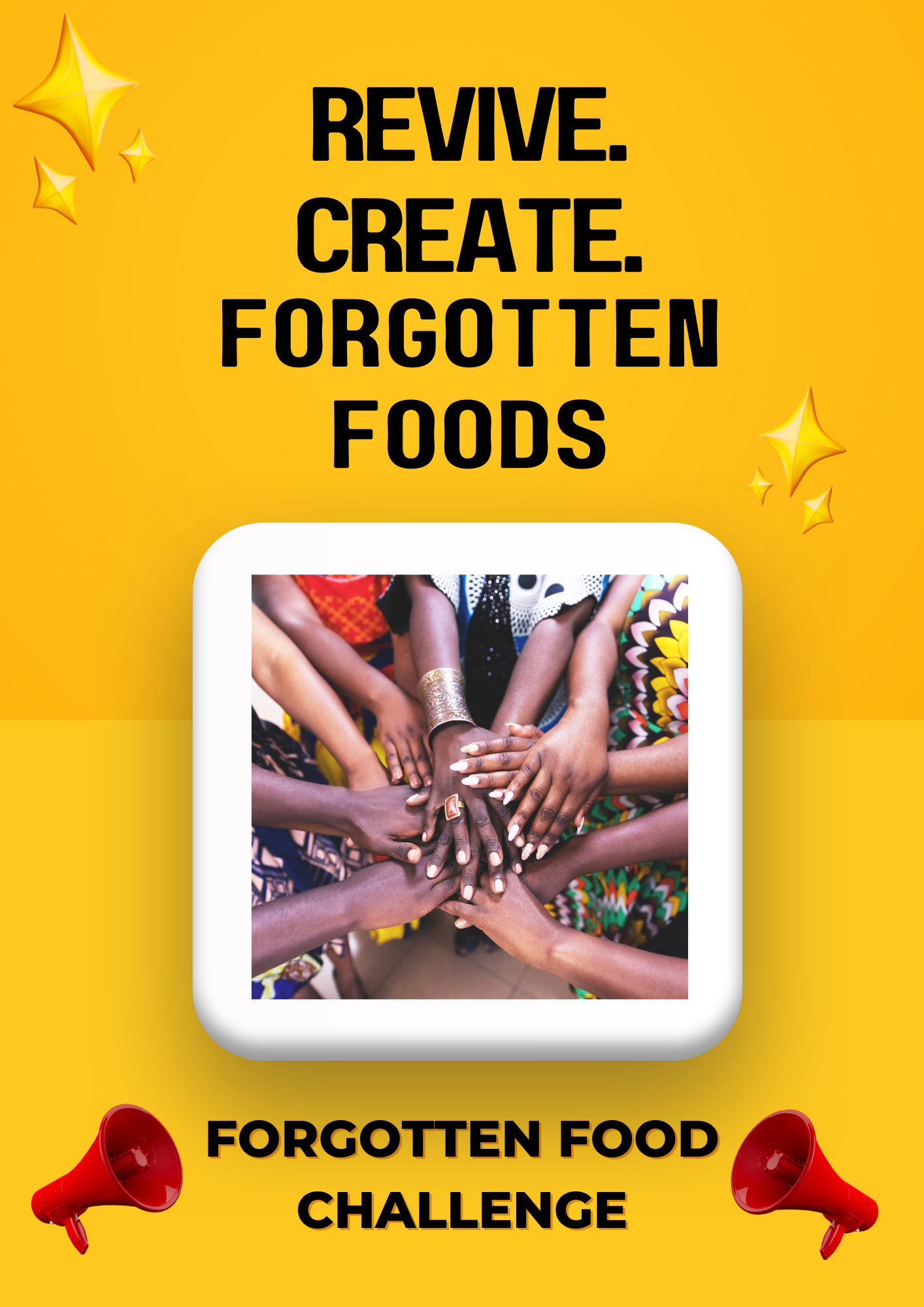
The Collective Action on Forgotten Food is calling on women artists, designers, illustrators and storytellers, to use their creativity to reimagine the power of forgotten foods.
Your Mission:
Design a graphic image that represents the collective action on forgotten foods – celebrating women’s knowledge, heritage, resilience and creativity in shaping food systems and cultures.
Why Women?
Women carry recipes, seeds and stories across generations. Your art can give voice to these hidden treasures and inspire a global movement for food, culture and climate resilience.
Prizes for the Top 3 Women Creatives:
- A 1-year subscription to top creative platforms
- Spotlight features across our platforms and events.
- A Forgotten Food Package curated with women food producers
- Creative mentorship & networking with leaders in art and food
- Recognition as a Creative Woman Ambassador for the Collective Action on Forgotten Food
Deadline: September 30th, 2025
Submit your entry via email - This email address is being protected from spambots. You need JavaScript enabled to view it.
Let your art tell the story of women, food and the future. Together, we can ensure that no food and no woman’s voice is forgotten.
The Collective Action on Forgotten Food is an initiative of GFAiR - The Global Forum on Agricultural Research and Innovation, coordinated by The Food Bridge vzw and funded by the European Union with technical support from IFAD.
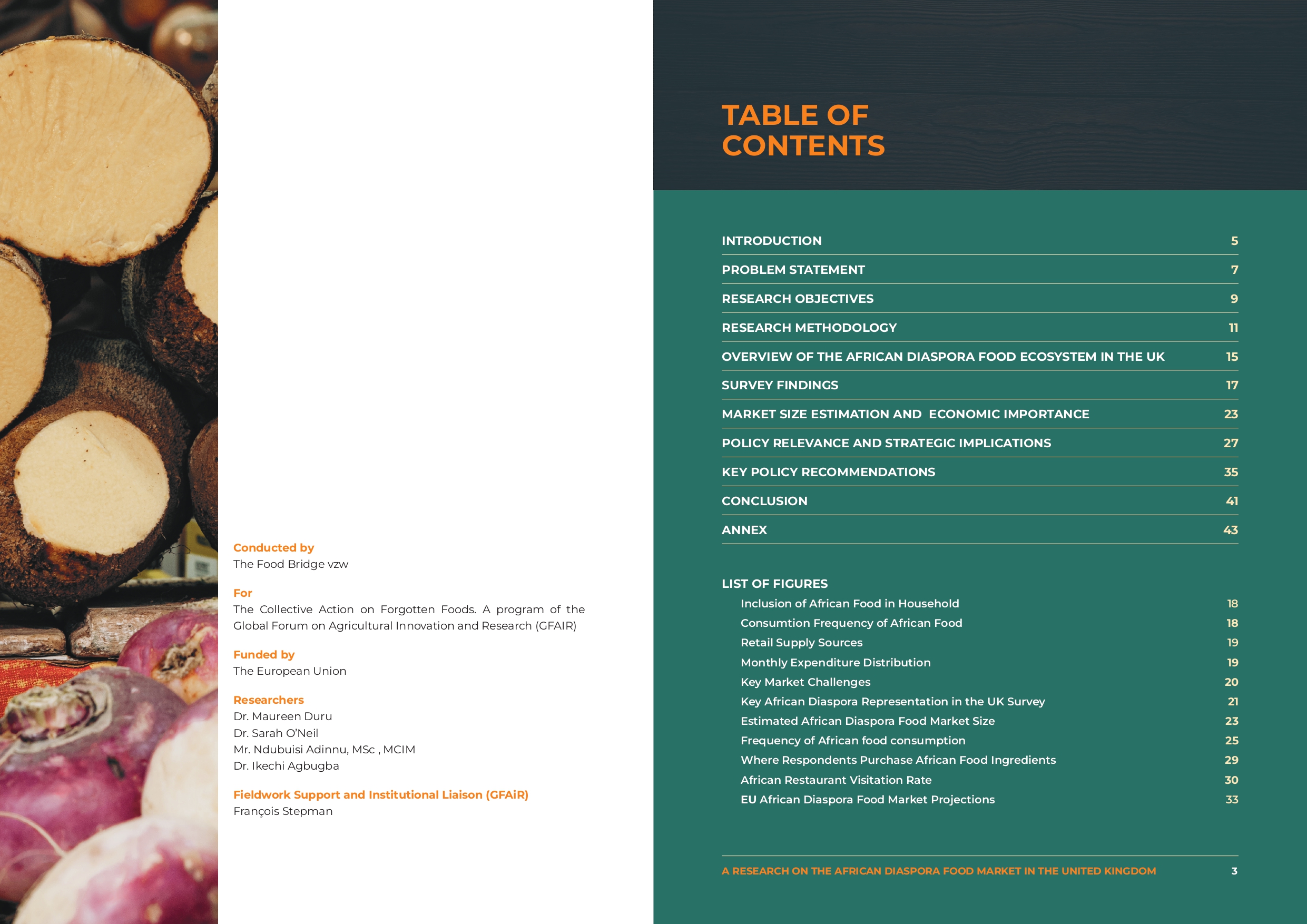 During the Tasting the Forgotten Foods event, one of the highlights was the official launch of the Report on the African Diaspora Food Market in the UK by Jo Spalburg, Secretary Geneeral of the Caribbean Chamber of Commerce Europe.
In his remarks, Mr Spalburg emphasized that the research serves as strong evidence of the African diaspora’s significant contribution to global food systems. He also highlighted the immense opportunities for growth within the sector as shown by the findings of the study. These are opportunities that could create economic and cultural benefits not only for Africa, but also for the Caribbean and Europe.
In his speech, he also stated that several crops that have become neglected or “forgotten” in parts of Africa are today deeply rooted in Caribbean cuisine and culture, where they continue to serve as important daily staple foods. Using Jamaican diet as an example of the functional and nutritional value of forgotten foods, Mr Spalburg shared that many Jamaicans, believe that the extraordinary speed and athletic success of their world-renowned sprinters is closely linked to their traditional diet; particularly the regular consumption of local root crops such as yams. This, he said, is a powerful testimony to the strength and value of indigenous foods and food traditions.
You can read the report here: https://drive.google.com/file/d/1IqGeJsj--U5i00LaIQ6US9nmndB68kCS/view?usp=sharing
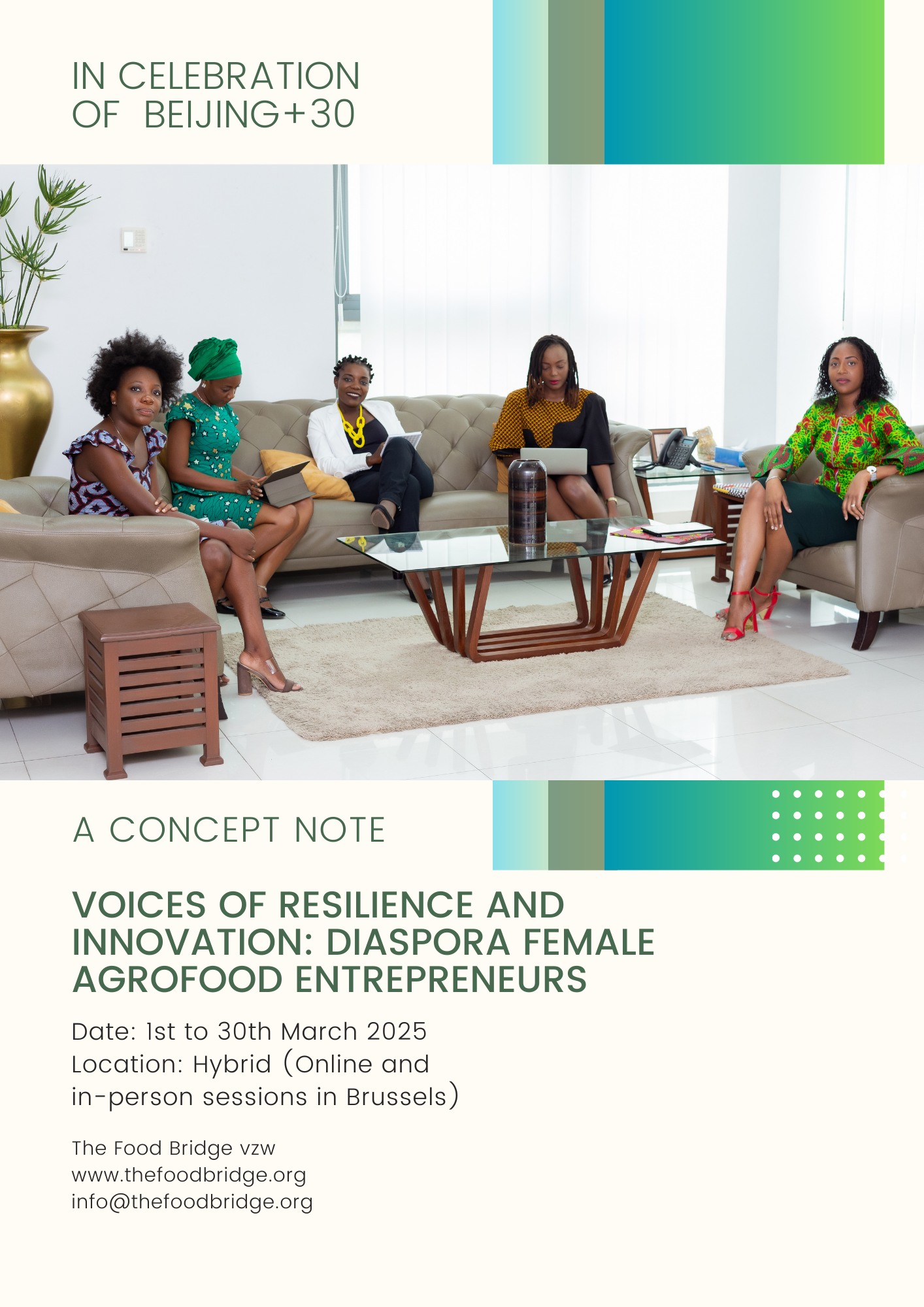 In 1995, the Beijing Declaration and Platform for Action was adopted, outlining a comprehensive framework for advancing women's rights and empowerment. Thirty years later, as we reflect on the progress made and the challenges ahead, it is essential to amplify the voices of women who embody resilience and innovation, particularly within marginalized communities such as the African diaspora.
The female agrofood entrepreneurs are a true reflection of the importance of the Beijing declaration. These women are leading pivotal changes that have facilitated sustainable food production, preserving indigenous agricultural heritage, ensuring equitable food systems and fostering economic independence. Their contributions are vital for achieving gender equality, food security, and sustainable development.
The objectives of the program are :
- Celebrate Progress: Highlight the achievements of female diaspora agrofood entrepreneurs in advancing women's empowerment and sustainable development since the Beijing Declaration.
- Inspire Change: Share personal stories, hopes, and challenges from these women
- Motivate and inspire action towards embedding gender equality and empowerment in the agrofood entrepreneurship ecosystem.
- Amplify Voices: Create an online platform showcasing profiles, photos, and quotes from each entrepreneur, fostering global recognition of their contributions.
- Promote Advocacy: Build awareness about the need to support female-led agrofood enterprises and their role in sustainable development.
To learn more about the planned activities, partnerships and sponsorships, contact This email address is being protected from spambots. You need JavaScript enabled to view it.
 From 15–17 March 2026, the international food industry will gather again at Tavola 2026, hosted at Kortrijk Xpo Belgium. Recognized as one of Europe’s leading trade fairs for premium food and beverages, the biennial event brings together producers, buyers, distributors and innovators from the global food sector.
For African diaspora food entrepreneurs and indigenous food advocates in Europe, this exhibition represents an important window of opportunity. it is a major meeting point for professionals in retail, wholesale, specialty stores, catering and restaurants who are seeking high-quality and innovative food products. Many African diaspora entrepreneurs, still find it challenging to gain access to mainstream European markets. Trade fairs such as Tavola bring together the entire value chain; from producers and importers to retailers and hospitality professionals, making them powerful spaces for market entry.
At The Food Bridge, we believe that connecting African producers, diaspora entrepreneurs and global markets is essential to unlocking the value of Africa’s food systems. Tavola and similar platforms provide an opportunity not only to promote African foods but also to highlight their role in sustainable agriculture, healthy diets and cultural exchange.
With the food industry continuing to diversify and global consumers seeking authentic and sustainable food experiences, African diaspora foods have a growing role to play in Europe’s culinary landscape. Events like Tavola demonstrate that the future of food innovation is global and African ingredients, knowledge and entrepreneurship can be part of that future.
More details- https://www.tavola-xpo.be/en/discover-the-trade-fair/premium-food-drinks/
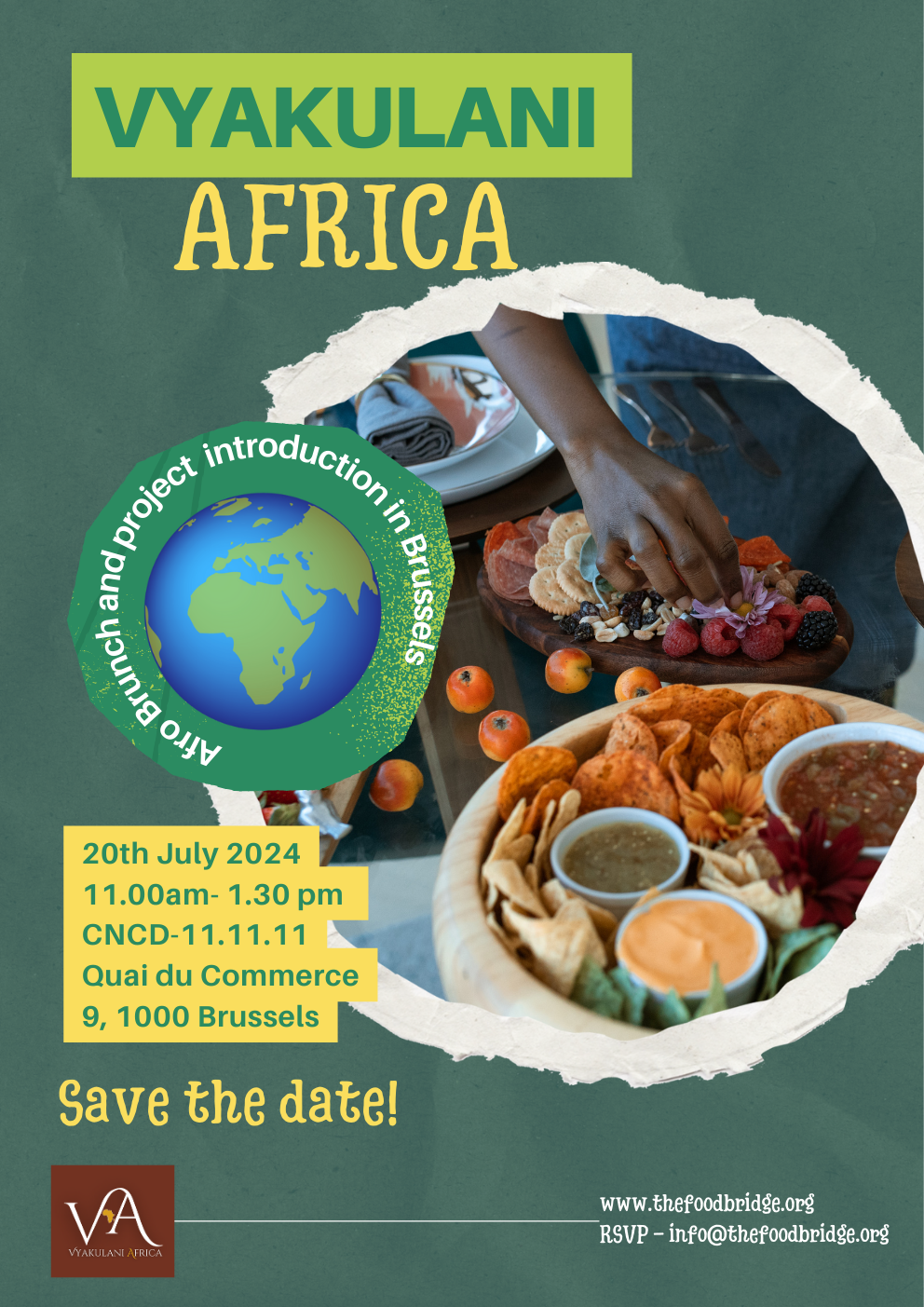 We are thrilled to invite you to a unique Afro brunch that celebrates the rich and diverse flavors of Africa. This brunch is more than just a meal; it's about community, connection, and cultural exchange. It will be an immersive cultural experience for people from all walks of life to come together, share stories, and celebrate the rich cultural tapestry that African cuisine represents.
At the heart of the Afro Brunch is the Vyakulani Africa Project which plans to engage with the African diaspora in Belgium to document and share the diverse culinary traditions that have traveled from Africa to Europe. By working closely with local communities, the Vyakulani Africa Project’s aim is to create a comprehensive and interactive map of African food heritage in Belgium, showcasing the rich and varied gastronomic traditions that African migrants have brought with them.
By participating, you can:
- Share Your Stories: Contribute your personal and family recipes, food stories, and culinary traditions to a collective database that celebrates the African food legacy.
- Learn and Discover: Gain insights into the diverse flavors and cooking techniques of Africans through workshops, cooking classes, and cultural exchanges.
- Connect with the Community: Meet like-minded individuals, build connections, and be part of a vibrant community that values and celebrates African culture.
- Promote Cultural Heritage: Help bring the rich culinary heritage of Africa to a wider audience, fostering appreciation and understanding of African culture through food.
How to Get Involved
The Vyakulani Africa Project is open to everyone who is passionate about African cuisine and culture. Whether you are a seasoned cook, a food enthusiast, or someone with a keen interest in cultural heritage, there is a place for you in this project. Join us on the 20th of July 2024 and get more information. The venue is CNCD-11.11.11 Quai du Commerce 9, 1000 Brussels, from 11am to 1.30pm.
Vyakulani Africa is an initiative of the Food Bridge vzw in collaboration with the Africa museum Belgium, Diaspofood Research group ULB, Sankaa vzw and funded by the EU Impetus Accelerator Program
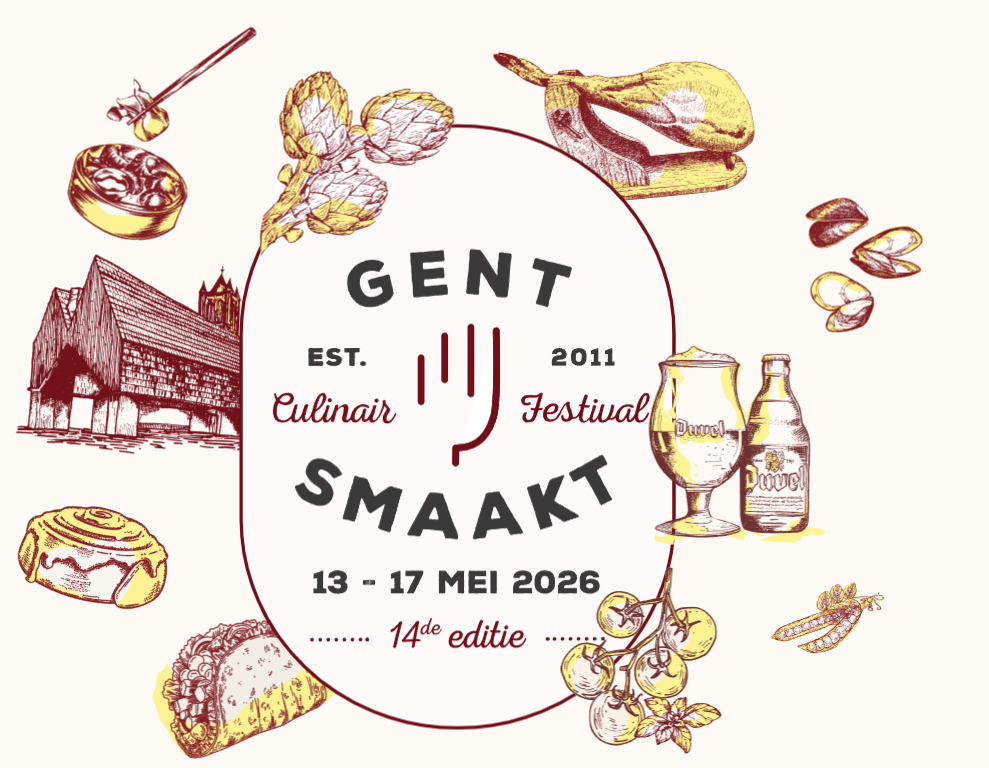 The 14th edition of the Gent Smaakt Food Festival will take place from 13 to 17 May 2026. Gent Smaakt is a free culinary festival held in the historic centre of Ghent during the Ascension Day weekend. The festival celebrates the city as a true capital of taste and culinary heritage, bringing together chefs, producers and food lovers for five days of gastronomy and discovery.
Visitors can indulge in Ghent’s vibrant food scene across several iconic squares in the heart of the city:
Korenmarkt
A lively hub featuring world cuisine and international street food.
Klein Turkije
Stalls highlighting short supply chains, local produce, and sustainable food products.
Goudenleeuwplein
A spot dedicated to local street food and Ghent favourites.
Poeljemarkt
A culinary hotspot showcasing both emerging young chefs and renowned restaurateurs.
Stadshal
Home to Chef’s Island, where visitors can enjoy Flemish classics with a distinctive Ghent twist.
For more information : https://www.gentsmaakt.be/nl/over-ons/
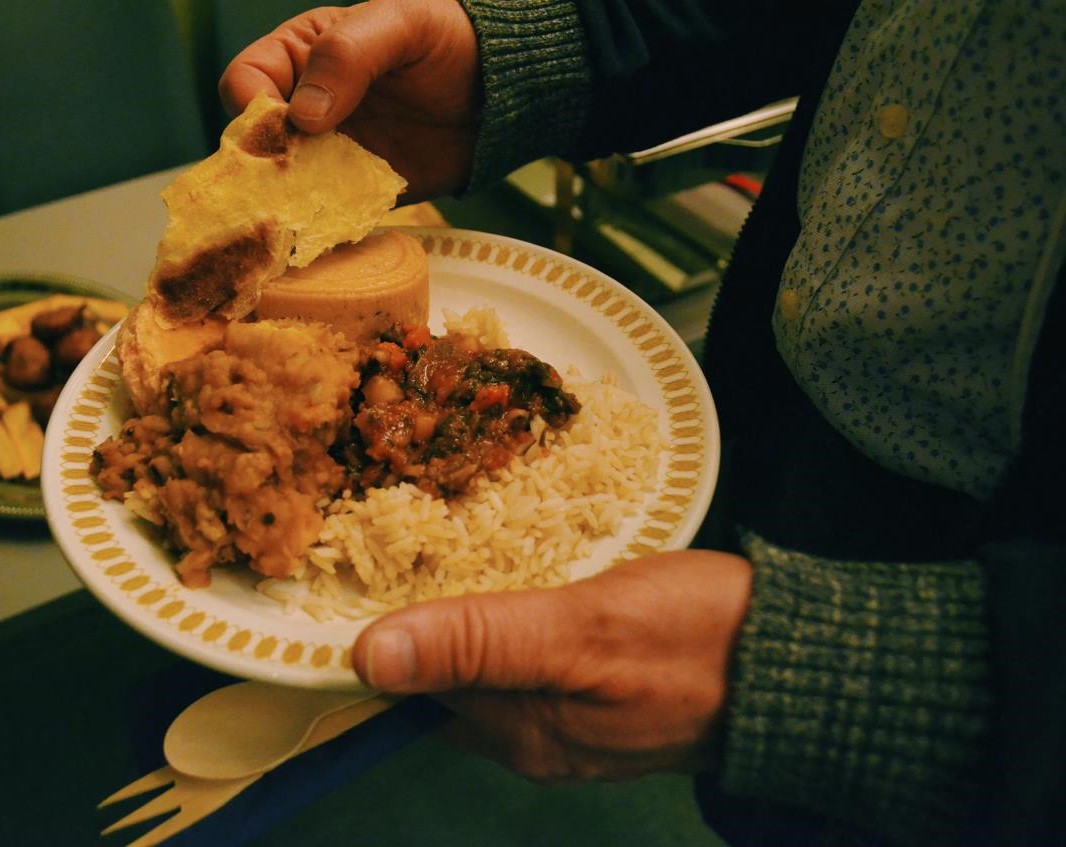
After much hard work, including an intensive but really informative bootcamp, the Food Bridge's new project Vyakulani Africa is finally accepted into the 2024 Impetus Accelerator program for citizen scientists!
Vyakulani is a Swahili word that represents the essence of our new citizen scientists project; with the dual connotation of "in the food" or "which food," thus reflecting the internal and external factors driving this study.
Despite Belgium's historical ties with Africa and a well-established African diaspora community, there is a notable lack of knowledge regarding African cuisine beyond this community. It is thus imperative to delve deeper into the factors contributing to this knowledge gap.
Our citizen scientist program will collect data on African food legacy in Belgium, the sustainability of home recipes and diets, including their transmission across generations and potential benefits for larger society (European citizens). The program will be implemented inAntwerp and Brussels.
We will use citizen scientists for data collection, organize outreach activities such as infosession, cooking demonstrations, food tastings, seminars, campaigns, and later make the project results available to the public. The program will run from July to December 2024
This project is an initiative of the Food Bridge vzw in partnership with Diaspofood ULB, Sankaa vzw and others, funded by the Impetus Accelerator Program.
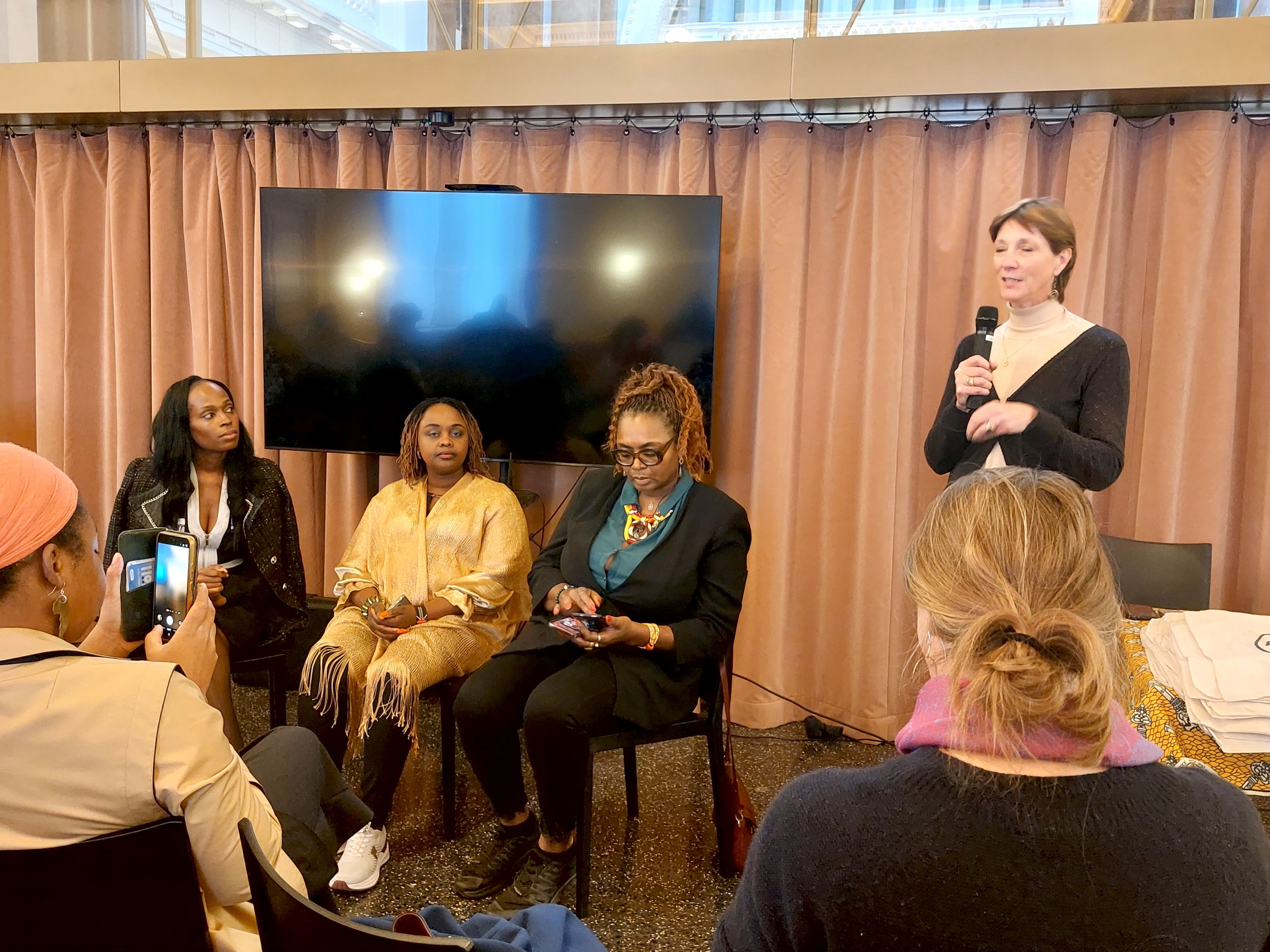
For the first time, two visionary women have been jointly honored as the 2025 African Diaspora Agrofood Entrepreneurs of the Year in recognition of their innovative projects and impact across continents. Nathalie Schots of Entrepreneurs for Entrepreneurs Belgium announced Margret Debrah of Eato Ghana and Olga Yanda of Wazieats Cameroon as the 2025 winners.
Both entrepreneurs are using technology to strenghten the African food markets, while also building local economies, promoting sustainable food systems and demonstrating how diaspora entrepreneurship can drive inclusive growth. Thus making African foods more accessible to local and global consumers while creating opportunities for farmers, producers and local communities.
In her remarks, Nathalie emphasized that her organization’s role goes beyond preparing entrepreneurs for growth . it is also about helping them identify partnerships and synergies that can drive positive transformation and shared success.These two trailblazing winners of the award will embody the spirit of collaboration, creativity and commitment to Africa’s agrofood future.
For more information about the winners : https://www.wazieats.com/ | https://www.linkedin.com/company/eato-network/
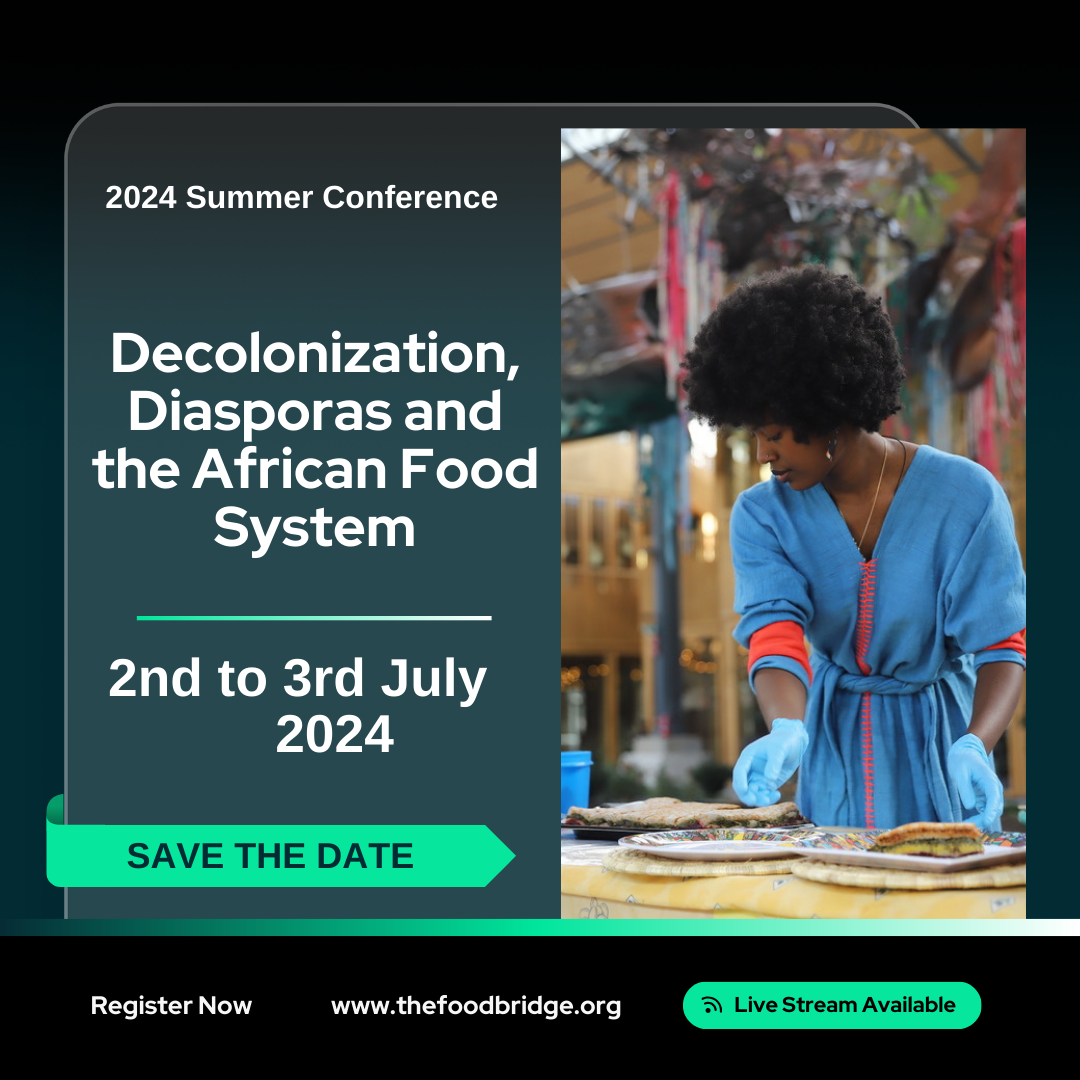
We have the program of the conference on Decolonization, Diaspora and the African Food Systems, which will be held from the 2nd to 3rd July 2024, at the Africa Museum Tervuren, Belgium
Here is the registration link: https://www.eventbrite.be/.../decolonization-diasporas...
Programme
Conference; Decolonization, Diaspora and the African Food Systems
2nd to 3rd July 2024
Africa Museum Tervuren, Belgium
8.30 – 9.30 Welcome & Registration
9.30 – 9.40 Welcome Remarks by Dr Maureen Duru & Dr Sarah O’Neill
9.45 – 10.25 Keynote by Prof Adams Bodomo, Head of African Studies Department University of Vienna, Austria
10.30 – 11. 15 Breakout session “What do you understand by decolonizing the African food system?”: Followed by interactive discussions
11.15 – 11.30 Coffee Break
11.35 – 12.40 Precolonial and colonial African foodways
- Karina Ramos - The relationship between food consumption and territoriality in Luanda's colonial urban space (1949-1973)
- Iradukunda M Tema - La nutrition à l’africaine, le Sorgho aliment traditionnel burundais
- Birgit Ricquier - Early Foodways in Northeast Congo: Shots of History Distilled by means of Comparative Linguistics
- Maud Devos - Stilled objects versus cultural histories. Reconnecting museum objects related to coffee and cassava to past and present Tetela vocabularies.
12.45 – 13.30 Diaspora Foodways
- Michael Abwami Innocent - Exploring The Influence Of African Diasporas On Food Practices: A Development Communication Perspective
- Jahlani Niaah, Nicole Plummer, Sonjah Stanley Niaah - Decolonizing the Palate: Rastafari's Evolution of Ital Nutrition
- Philip Umaru, Azubuike Erinugha - Exploring African Food in Contexts: Implications for Diasporic Communities
- Sarah O’Neill & Maureen Duru – Mapping the African Food legacy in Belgium: the Vyakulani Project
- Lunch – Chef Alagie, Banjul Kitchen
14.20 – 15.10 Economic Empowerment and Entrepreneurship
- Sarah De Smet, Smaranda Boros, Charlene Zietsma, Karijn Bonne and Claire Maréchal - Women immigrant entrepreneurs in Belgium: Strategies to belong
- Eduardo da Silva Oliveira: Decolonising Sustainability: Implementing Divergent Pedagogies for African-Centred Business Sustainability Management Solutions
- Suzanne Awung, Founder Suzy Farms Corp Cameroon
15.15 – 15.45 Coffee break and nutritious food cooking demonstration
- Chef Alagie, Banjul Kitchen
- – 17.30 African Diaspora food in literature
A workshop with Prof Adams Bodomo and other African authors
DAY TWO
8.30 – 9.25 Welcome & Registration
- – 10.45 Health and Nutrition -
- Emiel de Meyer - Medicinal plant use among the Congolese (Democratic Republic of Congo) community in Belgium
- Laura Van Damme - Plant use and perceptions in the context of sexual health among people of Congolese descent in Belgium
- Helen Bour, Sandra Boatemaa Kushitor, Karina Benessaiah, Elena Bennett, Oonsie Reinette Biggs, Nyasha Magadzire - The Role Of Seeds In Transforming Food Systems In Coastal Areas In Ghana
- Food as medicine and heritage – Dr Stella Iwuagwu
10.50- 11.20 Side activity
- From Congo to Belgium: culinary journeys and stories
Du Congo à la Belgique : voyages culinaires et histoires
11.25 – 11.40 Coffee Break
11.45 – 13.00 Food Sovereignty and Climate change
- Nicole Plummer, Marisa Wilson, Charmaine McKenzie, Inna Yaneva-Toraman, Thera Edwards, Patricia Northover, Sylvia Adjoa Mitchell, Anthony Richards, Kasikeiani Ronalda Pairman - Achieving Climate Justice Through a Decolonized Approach to Food Heritage
- Ndidi Nwaneri - ONUNAKA FARMS – 2021-2023
- Jutta Kleber - Relying on indigenous knowledge for sound agriculture, food and health systems - experiences from East-Africa
13.05 – 13.45 Lunch - Chef Alagie, Banjul Kitchen Food Truck
13.50 – 14.40 Food Policy and Governance
- Marthe Djuikom - Politiques de développement et mutations en milieu rural africain
- Aya Kasasa - Diaspora Desk, Organization of Africa, Caribbean and Pacific States (OACP)
- Guggi Laryea - International Fund for Agricultural Development (IFAD)
14.45 -15. 50 Panel Discussion “what is the Future for African Food Systems”
moderated by Ms Paddy Siyanga
Panelists TBC
15.55 – 17. 20 Vote of thanks and networking
8.30 – 9.30 Welcome & Registration
9.30 – 9.40 Welcome Remarks by Dr Maureen Duru & Dr Sarah O’Neill
9.45 – 10.25 Keynote by Prof Adams Bodomo, Head of African Studies Department University of Vienna, Austria
10.30 – 11. 15 Breakout session “What do you understand by decolonizing the African food system?”: Followed by interactive discussions
11.15 – 11.30 Coffee Break
11.35 – 12.40 Precolonial and colonial African foodways
- Karina Ramos - The relationship between food consumption and territoriality in Luanda's colonial urban space (1949-1973)
- Iradukunda M Tema - La nutrition à l’africaine, le Sorgho aliment traditionnel burundais
- Birgit Ricquier - Early Foodways in Northeast Congo: Shots of History Distilled by means of Comparative Linguistics
- Maud Devos - Stilled objects versus cultural histories. Reconnecting museum objects related to coffee and cassava to past and present Tetela vocabularies.
12.45 – 13.30 Diaspora Foodways
- Michael Abwami Innocent - Exploring The Influence Of African Diasporas On Food Practices: A Development Communication Perspective
- Jahlani Niaah, Nicole Plummer, Sonjah Stanley Niaah - Decolonizing the Palate: Rastafari's Evolution of Ital Nutrition
- Philip Umaru, Azubuike Erinugha - Exploring African Food in Contexts: Implications for Diasporic Communities
- Sarah O’Neill & Maureen Duru – Mapping the African Food legacy in Belgium: the Vyakulani Project
- Lunch – Chef Alagie, Banjul Kitchen
14.20 – 15.10 Economic Empowerment and Entrepreneurship
- Sarah De Smet, Smaranda Boros, Charlene Zietsma, Karijn Bonne and Claire Maréchal - Women immigrant entrepreneurs in Belgium: Strategies to belong
- Eduardo da Silva Oliveira: Decolonising Sustainability: Implementing Divergent Pedagogies for African-Centred Business Sustainability Management Solutions
- Suzanne Awung, Founder Suzy Farms Corp Cameroon
15.15 – 15.45 Coffee break and nutritious food cooking demonstration
- Chef Alagie, Banjul Kitchen
- – 17.30 African Diaspora food in literature
A workshop with Prof Adams Bodomo and other African authors
DAY TWO
8.30 – 9.25 Welcome & Registration
- – 10.45 Health and Nutrition -
- Emiel de Meyer - Medicinal plant use among the Congolese (Democratic Republic of Congo) community in Belgium
- Laura Van Damme - Plant use and perceptions in the context of sexual health among people of Congolese descent in Belgium
- Helen Bour, Sandra Boatemaa Kushitor, Karina Benessaiah, Elena Bennett, Oonsie Reinette Biggs, Nyasha Magadzire - The Role Of Seeds In Transforming Food Systems In Coastal Areas In Ghana
- Food as medicine and heritage – Dr Stella Iwuagwu
10.50- 11.20 Side activity
- From Congo to Belgium: culinary journeys and stories
Du Congo à la Belgique : voyages culinaires et histoires
11.25 – 11.40 Coffee Break
11.45 – 13.00 Food Sovereignty and Climate change
- Nicole Plummer, Marisa Wilson, Charmaine McKenzie, Inna Yaneva-Toraman, Thera Edwards, Patricia Northover, Sylvia Adjoa Mitchell, Anthony Richards, Kasikeiani Ronalda Pairman - Achieving Climate Justice Through a Decolonized Approach to Food Heritage
- Ndidi Nwaneri - ONUNAKA FARMS – 2021-2023
- Jutta Kleber - Relying on indigenous knowledge for sound agriculture, food and health systems - experiences from East-Africa
13.05 – 13.45 Lunch - Chef Alagie, Banjul Kitchen Food Truck
13.50 – 14.40 Food Policy and Governance
- Marthe Djuikom - Politiques de développement et mutations en milieu rural africain
- Aya Kasasa - Diaspora Desk, Organization of Africa, Caribbean and Pacific States (OACP)
- Guggi Laryea - International Fund for Agricultural Development (IFAD)
14.45 -15. 50 Panel Discussion “what is the Future for African Food Systems”
moderated by Ms Paddy Siyanga
Panelists TBC
15.55 – 17. 20 Vote of thanks and networking
Programme
Conference; Decolonization, Diaspora and the African Food Systems
2nd to 3rd July 2024
Africa Museum Tervuren, Belgium
8.30 – 9.30 Welcome & Registration
9.30 – 9.40 Welcome Remarks by Dr Maureen Duru & Dr Sarah O’Neill
9.45 – 10.25 Keynote by Prof Adams Bodomo, Head of African Studies Department University of Vienna, Austria
10.30 – 11. 15 Breakout session “What do you understand by decolonizing the African food system?”: Followed by interactive discussions
11.15 – 11.30 Coffee Break
11.35 – 12.40 Precolonial and colonial African foodways
- Karina Ramos - The relationship between food consumption and territoriality in Luanda's colonial urban space (1949-1973)
- Iradukunda M Tema - La nutrition à l’africaine, le Sorgho aliment traditionnel burundais
- Birgit Ricquier - Early Foodways in Northeast Congo: Shots of History Distilled by means of Comparative Linguistics
- Maud Devos - Stilled objects versus cultural histories. Reconnecting museum objects related to coffee and cassava to past and present Tetela vocabularies.
12.45 – 13.30 Diaspora Foodways
- Michael Abwami Innocent - Exploring The Influence Of African Diasporas On Food Practices: A Development Communication Perspective
- Jahlani Niaah, Nicole Plummer, Sonjah Stanley Niaah - Decolonizing the Palate: Rastafari's Evolution of Ital Nutrition
- Philip Umaru, Azubuike Erinugha - Exploring African Food in Contexts: Implications for Diasporic Communities
- Sarah O’Neill & Maureen Duru – Mapping the African Food legacy in Belgium: the Vyakulani Project
- Lunch – Chef Alagie, Banjul Kitchen
14.20 – 15.10 Economic Empowerment and Entrepreneurship
- Sarah De Smet, Smaranda Boros, Charlene Zietsma, Karijn Bonne and Claire Maréchal - Women immigrant entrepreneurs in Belgium: Strategies to belong
- Eduardo da Silva Oliveira: Decolonising Sustainability: Implementing Divergent Pedagogies for African-Centred Business Sustainability Management Solutions
- Suzanne Awung, Founder Suzy Farms Corp Cameroon
15.15 – 15.45 Coffee break and nutritious food cooking demonstration
- Chef Alagie, Banjul Kitchen
- – 17.30 African Diaspora food in literature
A workshop with Prof Adams Bodomo and other African authors
DAY TWO
8.30 – 9.25 Welcome & Registration
- – 10.45 Health and Nutrition -
- Emiel de Meyer - Medicinal plant use among the Congolese (Democratic Republic of Congo) community in Belgium
- Laura Van Damme - Plant use and perceptions in the context of sexual health among people of Congolese descent in Belgium
- Helen Bour, Sandra Boatemaa Kushitor, Karina Benessaiah, Elena Bennett, Oonsie Reinette Biggs, Nyasha Magadzire - The Role Of Seeds In Transforming Food Systems In Coastal Areas In Ghana
- Food as medicine and heritage – Dr Stella Iwuagwu
10.50- 11.20 Side activity
- From Congo to Belgium: culinary journeys and stories
Du Congo à la Belgique : voyages culinaires et histoires
11.25 – 11.40 Coffee Break
11.45 – 13.00 Food Sovereignty and Climate change
- Nicole Plummer, Marisa Wilson, Charmaine McKenzie, Inna Yaneva-Toraman, Thera Edwards, Patricia Northover, Sylvia Adjoa Mitchell, Anthony Richards, Kasikeiani Ronalda Pairman - Achieving Climate Justice Through a Decolonized Approach to Food Heritage
- Ndidi Nwaneri - ONUNAKA FARMS – 2021-2023
- Jutta Kleber - Relying on indigenous knowledge for sound agriculture, food and health systems - experiences from East-Africa
13.05 – 13.45 Lunch - Chef Alagie, Banjul Kitchen Food Truck
13.50 – 14.40 Food Policy and Governance
- Marthe Djuikom - Politiques de développement et mutations en milieu rural africain
- Aya Kasasa - Diaspora Desk, Organization of Africa, Caribbean and Pacific States (OACP)
- Guggi Laryea - International Fund for Agricultural Development (IFAD)
14.45 -15. 50 Panel Discussion “what is the Future for African Food Systems”
moderated by Ms Paddy Siyanga
Panelists TBC
15.55 – 17. 20 Vote of thanks and networking
8.30 – 9.30 Welcome & Registration
9.30 – 9.40 Welcome Remarks by Dr Maureen Duru & Dr Sarah O’Neill
9.45 – 10.25 Keynote by Prof Adams Bodomo, Head of African Studies Department University of Vienna, Austria
10.30 – 11. 15 Breakout session “What do you understand by decolonizing the African food system?”: Followed by interactive discussions
11.15 – 11.30 Coffee Break
11.35 – 12.40 Precolonial and colonial African foodways
- Karina Ramos - The relationship between food consumption and territoriality in Luanda's colonial urban space (1949-1973)
- Iradukunda M Tema - La nutrition à l’africaine, le Sorgho aliment traditionnel burundais
- Birgit Ricquier - Early Foodways in Northeast Congo: Shots of History Distilled by means of Comparative Linguistics
- Maud Devos - Stilled objects versus cultural histories. Reconnecting museum objects related to coffee and cassava to past and present Tetela vocabularies.
12.45 – 13.30 Diaspora Foodways
- Michael Abwami Innocent - Exploring The Influence Of African Diasporas On Food Practices: A Development Communication Perspective
- Jahlani Niaah, Nicole Plummer, Sonjah Stanley Niaah - Decolonizing the Palate: Rastafari's Evolution of Ital Nutrition
- Philip Umaru, Azubuike Erinugha - Exploring African Food in Contexts: Implications for Diasporic Communities
- Sarah O’Neill & Maureen Duru – Mapping the African Food legacy in Belgium: the Vyakulani Project
- Lunch – Chef Alagie, Banjul Kitchen
14.20 – 15.10 Economic Empowerment and Entrepreneurship
- Sarah De Smet, Smaranda Boros, Charlene Zietsma, Karijn Bonne and Claire Maréchal - Women immigrant entrepreneurs in Belgium: Strategies to belong
- Eduardo da Silva Oliveira: Decolonising Sustainability: Implementing Divergent Pedagogies for African-Centred Business Sustainability Management Solutions
- Suzanne Awung, Founder Suzy Farms Corp Cameroon
15.15 – 15.45 Coffee break and nutritious food cooking demonstration
- Chef Alagie, Banjul Kitchen
- – 17.30 African Diaspora food in literature
A workshop with Prof Adams Bodomo and other African authors
DAY TWO
8.30 – 9.25 Welcome & Registration
- – 10.45 Health and Nutrition -
- Emiel de Meyer - Medicinal plant use among the Congolese (Democratic Republic of Congo) community in Belgium
- Laura Van Damme - Plant use and perceptions in the context of sexual health among people of Congolese descent in Belgium
- Helen Bour, Sandra Boatemaa Kushitor, Karina Benessaiah, Elena Bennett, Oonsie Reinette Biggs, Nyasha Magadzire - The Role Of Seeds In Transforming Food Systems In Coastal Areas In Ghana
- Food as medicine and heritage – Dr Stella Iwuagwu
10.50- 11.20 Side activity
- From Congo to Belgium: culinary journeys and stories
Du Congo à la Belgique : voyages culinaires et histoires
11.25 – 11.40 Coffee Break
11.45 – 13.00 Food Sovereignty and Climate change
- Nicole Plummer, Marisa Wilson, Charmaine McKenzie, Inna Yaneva-Toraman, Thera Edwards, Patricia Northover, Sylvia Adjoa Mitchell, Anthony Richards, Kasikeiani Ronalda Pairman - Achieving Climate Justice Through a Decolonized Approach to Food Heritage
- Ndidi Nwaneri - ONUNAKA FARMS – 2021-2023
- Jutta Kleber - Relying on indigenous knowledge for sound agriculture, food and health systems - experiences from East-Africa
13.05 – 13.45 Lunch - Chef Alagie, Banjul Kitchen Food Truck
13.50 – 14.40 Food Policy and Governance
- Marthe Djuikom - Politiques de développement et mutations en milieu rural africain
- Aya Kasasa - Diaspora Desk, Organization of Africa, Caribbean and Pacific States (OACP)
- Guggi Laryea - International Fund for Agricultural Development (IFAD)
14.45 -15. 50 Panel Discussion “what is the Future for African Food Systems”
moderated by Ms Paddy Siyanga
Panelists TBC
15.55 – 17. 20 Vote of thanks and networking