Decolonization 2024                           

 We have the program of the conference on Decolonization, Diaspora and the African Food Systems, which will be held from the 2nd to 3rd July 2024, at the Africa Museum Tervuren, Belgium

Here is the registration link: https://www.eventbrite.be/.../decolonization-diasporas...


Programme

Conference; Decolonization, Diaspora and the African Food Systems

2nd to 3rd July 2024

Africa Museum Tervuren, Belgium

8.30 – 9.30                      Welcome & Registration

9.30 – 9.40                      Welcome Remarks by Dr Maureen Duru & Dr Sarah O’Neill

9.45 – 10.25                    Keynote by Prof Adams Bodomo, Head of African Studies Department University of Vienna, Austria

10.30 – 11. 15                 Breakout session “What do you understand by decolonizing the African food system?”: Followed by interactive discussions

11.15 – 11.30                  Coffee Break    

11.35 – 12.40                  Precolonial and colonial African foodways 

  • Karina Ramos - The relationship between food consumption and territoriality in Luanda's colonial urban space (1949-1973)
  • Iradukunda M Tema - La nutrition à l’africaine, le Sorgho aliment traditionnel burundais
  • Birgit Ricquier - Early Foodways in Northeast Congo: Shots of History Distilled by means of Comparative Linguistics
  • Maud Devos - Stilled objects versus cultural histories. Reconnecting museum objects related to coffee and cassava to past and present Tetela vocabularies.

12.45 – 13.30                 Diaspora Foodways              

  • Michael Abwami Innocent - Exploring The Influence Of African Diasporas On Food Practices: A Development Communication Perspective
  • Jahlani Niaah, Nicole Plummer, Sonjah Stanley Niaah - Decolonizing the Palate: Rastafari's Evolution of Ital Nutrition
  • Philip Umaru, Azubuike Erinugha - Exploring African Food in Contexts: Implications for Diasporic Communities
  • Sarah O’Neill & Maureen Duru – Mapping the African Food legacy in Belgium: the Vyakulani Project
  •  Lunch – Chef Alagie, Banjul Kitchen

14.20 – 15.10                Economic Empowerment and Entrepreneurship

  • Sarah De Smet, Smaranda Boros, Charlene Zietsma, Karijn Bonne and Claire Maréchal - Women immigrant entrepreneurs in Belgium: Strategies to belong
  • Eduardo da Silva Oliveira: Decolonising Sustainability: Implementing Divergent Pedagogies for African-Centred Business Sustainability Management Solutions
  • Suzanne Awung, Founder Suzy Farms Corp Cameroon

15.15 – 15.45                Coffee break and nutritious food cooking demonstration

  • Chef Alagie, Banjul Kitchen


  • – 17.30 African Diaspora food in literature

                               A workshop with Prof Adams Bodomo and other African authors


DAY TWO 

8.30 – 9.25                    Welcome & Registration

  • – 10.45 Health and Nutrition -
  • Emiel de Meyer - Medicinal plant use among the Congolese (Democratic Republic of Congo) community in Belgium
  • Laura Van Damme - Plant use and perceptions in the context of sexual health among people of Congolese descent in Belgium
  • Helen Bour, Sandra Boatemaa Kushitor, Karina Benessaiah, Elena Bennett, Oonsie Reinette Biggs, Nyasha Magadzire - The Role Of Seeds In Transforming Food Systems In Coastal Areas In Ghana
  • Food as medicine and heritage – Dr Stella Iwuagwu

10.50- 11.20                           Side activity


  • From Congo to Belgium: culinary journeys and stories

                                        Du Congo à la Belgique : voyages culinaires et histoires


11.25 – 11.40                 Coffee Break

11.45 – 13.00                   Food Sovereignty and Climate change

  • Nicole Plummer, Marisa Wilson, Charmaine McKenzie, Inna Yaneva-Toraman, Thera Edwards, Patricia Northover, Sylvia Adjoa Mitchell, Anthony Richards, Kasikeiani Ronalda Pairman - Achieving Climate Justice Through a Decolonized Approach to Food Heritage
  • Ndidi Nwaneri - ONUNAKA FARMS – 2021-2023
  • Jutta Kleber - Relying on indigenous knowledge for sound agriculture, food and health systems - experiences from East-Africa

13.05 – 13.45               Lunch - Chef Alagie, Banjul Kitchen Food Truck


13.50 – 14.40                     Food Policy and Governance

  • Marthe Djuikom - Politiques de développement et mutations en milieu rural africain
  • Aya Kasasa - Diaspora Desk, Organization of Africa, Caribbean and Pacific States (OACP)
  • Guggi Laryea - International Fund for Agricultural Development (IFAD)

14.45 -15. 50             Panel Discussion “what is the Future for African Food Systems”

                                  moderated by Ms Paddy Siyanga

                                  Panelists TBC

15.55 – 17. 20             Vote of thanks and networking


8.30 – 9.30                      Welcome & Registration

9.30 – 9.40                      Welcome Remarks by Dr Maureen Duru & Dr Sarah O’Neill

9.45 – 10.25                    Keynote by Prof Adams Bodomo, Head of African Studies Department University of Vienna, Austria

10.30 – 11. 15                 Breakout session “What do you understand by decolonizing the African food system?”: Followed by interactive discussions

11.15 – 11.30                  Coffee Break    

11.35 – 12.40                  Precolonial and colonial African foodways 

  • Karina Ramos - The relationship between food consumption and territoriality in Luanda's colonial urban space (1949-1973)
  • Iradukunda M Tema - La nutrition à l’africaine, le Sorgho aliment traditionnel burundais
  • Birgit Ricquier - Early Foodways in Northeast Congo: Shots of History Distilled by means of Comparative Linguistics
  • Maud Devos - Stilled objects versus cultural histories. Reconnecting museum objects related to coffee and cassava to past and present Tetela vocabularies.

12.45 – 13.30                 Diaspora Foodways              

  • Michael Abwami Innocent - Exploring The Influence Of African Diasporas On Food Practices: A Development Communication Perspective
  • Jahlani Niaah, Nicole Plummer, Sonjah Stanley Niaah - Decolonizing the Palate: Rastafari's Evolution of Ital Nutrition
  • Philip Umaru, Azubuike Erinugha - Exploring African Food in Contexts: Implications for Diasporic Communities
  • Sarah O’Neill & Maureen Duru – Mapping the African Food legacy in Belgium: the Vyakulani Project
  •  Lunch – Chef Alagie, Banjul Kitchen

14.20 – 15.10                Economic Empowerment and Entrepreneurship

  • Sarah De Smet, Smaranda Boros, Charlene Zietsma, Karijn Bonne and Claire Maréchal - Women immigrant entrepreneurs in Belgium: Strategies to belong
  • Eduardo da Silva Oliveira: Decolonising Sustainability: Implementing Divergent Pedagogies for African-Centred Business Sustainability Management Solutions
  • Suzanne Awung, Founder Suzy Farms Corp Cameroon

15.15 – 15.45                Coffee break and nutritious food cooking demonstration

  • Chef Alagie, Banjul Kitchen


  • – 17.30 African Diaspora food in literature

                               A workshop with Prof Adams Bodomo and other African authors


DAY TWO 

8.30 – 9.25                    Welcome & Registration

  • – 10.45 Health and Nutrition -
  • Emiel de Meyer - Medicinal plant use among the Congolese (Democratic Republic of Congo) community in Belgium
  • Laura Van Damme - Plant use and perceptions in the context of sexual health among people of Congolese descent in Belgium
  • Helen Bour, Sandra Boatemaa Kushitor, Karina Benessaiah, Elena Bennett, Oonsie Reinette Biggs, Nyasha Magadzire - The Role Of Seeds In Transforming Food Systems In Coastal Areas In Ghana
  • Food as medicine and heritage – Dr Stella Iwuagwu

10.50- 11.20                           Side activity


  • From Congo to Belgium: culinary journeys and stories

                                        Du Congo à la Belgique : voyages culinaires et histoires


11.25 – 11.40                 Coffee Break

11.45 – 13.00                   Food Sovereignty and Climate change

  • Nicole Plummer, Marisa Wilson, Charmaine McKenzie, Inna Yaneva-Toraman, Thera Edwards, Patricia Northover, Sylvia Adjoa Mitchell, Anthony Richards, Kasikeiani Ronalda Pairman - Achieving Climate Justice Through a Decolonized Approach to Food Heritage
  • Ndidi Nwaneri - ONUNAKA FARMS – 2021-2023
  • Jutta Kleber - Relying on indigenous knowledge for sound agriculture, food and health systems - experiences from East-Africa

13.05 – 13.45               Lunch - Chef Alagie, Banjul Kitchen Food Truck


13.50 – 14.40                     Food Policy and Governance

  • Marthe Djuikom - Politiques de développement et mutations en milieu rural africain
  • Aya Kasasa - Diaspora Desk, Organization of Africa, Caribbean and Pacific States (OACP)
  • Guggi Laryea - International Fund for Agricultural Development (IFAD)

14.45 -15. 50             Panel Discussion “what is the Future for African Food Systems”

                                  moderated by Ms Paddy Siyanga

                                  Panelists TBC

15.55 – 17. 20             Vote of thanks and networking


 Programme

Conference; Decolonization, Diaspora and the African Food Systems

2nd to 3rd July 2024

Africa Museum Tervuren, Belgium

8.30 – 9.30                      Welcome & Registration

9.30 – 9.40                      Welcome Remarks by Dr Maureen Duru & Dr Sarah O’Neill

9.45 – 10.25                    Keynote by Prof Adams Bodomo, Head of African Studies Department University of Vienna, Austria

10.30 – 11. 15                 Breakout session “What do you understand by decolonizing the African food system?”: Followed by interactive discussions

11.15 – 11.30                  Coffee Break    

11.35 – 12.40                  Precolonial and colonial African foodways 

  • Karina Ramos - The relationship between food consumption and territoriality in Luanda's colonial urban space (1949-1973)
  • Iradukunda M Tema - La nutrition à l’africaine, le Sorgho aliment traditionnel burundais
  • Birgit Ricquier - Early Foodways in Northeast Congo: Shots of History Distilled by means of Comparative Linguistics
  • Maud Devos - Stilled objects versus cultural histories. Reconnecting museum objects related to coffee and cassava to past and present Tetela vocabularies.

12.45 – 13.30                 Diaspora Foodways              

  • Michael Abwami Innocent - Exploring The Influence Of African Diasporas On Food Practices: A Development Communication Perspective
  • Jahlani Niaah, Nicole Plummer, Sonjah Stanley Niaah - Decolonizing the Palate: Rastafari's Evolution of Ital Nutrition
  • Philip Umaru, Azubuike Erinugha - Exploring African Food in Contexts: Implications for Diasporic Communities
  • Sarah O’Neill & Maureen Duru – Mapping the African Food legacy in Belgium: the Vyakulani Project
  •  Lunch – Chef Alagie, Banjul Kitchen

14.20 – 15.10                Economic Empowerment and Entrepreneurship

  • Sarah De Smet, Smaranda Boros, Charlene Zietsma, Karijn Bonne and Claire Maréchal - Women immigrant entrepreneurs in Belgium: Strategies to belong
  • Eduardo da Silva Oliveira: Decolonising Sustainability: Implementing Divergent Pedagogies for African-Centred Business Sustainability Management Solutions
  • Suzanne Awung, Founder Suzy Farms Corp Cameroon

15.15 – 15.45                Coffee break and nutritious food cooking demonstration

  • Chef Alagie, Banjul Kitchen


  • – 17.30 African Diaspora food in literature

                               A workshop with Prof Adams Bodomo and other African authors


DAY TWO 

8.30 – 9.25                    Welcome & Registration

  • – 10.45 Health and Nutrition -
  • Emiel de Meyer - Medicinal plant use among the Congolese (Democratic Republic of Congo) community in Belgium
  • Laura Van Damme - Plant use and perceptions in the context of sexual health among people of Congolese descent in Belgium
  • Helen Bour, Sandra Boatemaa Kushitor, Karina Benessaiah, Elena Bennett, Oonsie Reinette Biggs, Nyasha Magadzire - The Role Of Seeds In Transforming Food Systems In Coastal Areas In Ghana
  • Food as medicine and heritage – Dr Stella Iwuagwu

10.50- 11.20                           Side activity


  • From Congo to Belgium: culinary journeys and stories

                                        Du Congo à la Belgique : voyages culinaires et histoires


11.25 – 11.40                 Coffee Break

11.45 – 13.00                   Food Sovereignty and Climate change

  • Nicole Plummer, Marisa Wilson, Charmaine McKenzie, Inna Yaneva-Toraman, Thera Edwards, Patricia Northover, Sylvia Adjoa Mitchell, Anthony Richards, Kasikeiani Ronalda Pairman - Achieving Climate Justice Through a Decolonized Approach to Food Heritage
  • Ndidi Nwaneri - ONUNAKA FARMS – 2021-2023
  • Jutta Kleber - Relying on indigenous knowledge for sound agriculture, food and health systems - experiences from East-Africa

13.05 – 13.45               Lunch - Chef Alagie, Banjul Kitchen Food Truck


13.50 – 14.40                     Food Policy and Governance

  • Marthe Djuikom - Politiques de développement et mutations en milieu rural africain
  • Aya Kasasa - Diaspora Desk, Organization of Africa, Caribbean and Pacific States (OACP)
  • Guggi Laryea - International Fund for Agricultural Development (IFAD)

14.45 -15. 50             Panel Discussion “what is the Future for African Food Systems”

                                  moderated by Ms Paddy Siyanga

                                  Panelists TBC

15.55 – 17. 20             Vote of thanks and networking


8.30 – 9.30                      Welcome & Registration

9.30 – 9.40                      Welcome Remarks by Dr Maureen Duru & Dr Sarah O’Neill

9.45 – 10.25                    Keynote by Prof Adams Bodomo, Head of African Studies Department University of Vienna, Austria

10.30 – 11. 15                 Breakout session “What do you understand by decolonizing the African food system?”: Followed by interactive discussions

11.15 – 11.30                  Coffee Break    

11.35 – 12.40                  Precolonial and colonial African foodways 

  • Karina Ramos - The relationship between food consumption and territoriality in Luanda's colonial urban space (1949-1973)
  • Iradukunda M Tema - La nutrition à l’africaine, le Sorgho aliment traditionnel burundais
  • Birgit Ricquier - Early Foodways in Northeast Congo: Shots of History Distilled by means of Comparative Linguistics
  • Maud Devos - Stilled objects versus cultural histories. Reconnecting museum objects related to coffee and cassava to past and present Tetela vocabularies.

12.45 – 13.30                 Diaspora Foodways              

  • Michael Abwami Innocent - Exploring The Influence Of African Diasporas On Food Practices: A Development Communication Perspective
  • Jahlani Niaah, Nicole Plummer, Sonjah Stanley Niaah - Decolonizing the Palate: Rastafari's Evolution of Ital Nutrition
  • Philip Umaru, Azubuike Erinugha - Exploring African Food in Contexts: Implications for Diasporic Communities
  • Sarah O’Neill & Maureen Duru – Mapping the African Food legacy in Belgium: the Vyakulani Project
  •  Lunch – Chef Alagie, Banjul Kitchen

14.20 – 15.10                Economic Empowerment and Entrepreneurship

  • Sarah De Smet, Smaranda Boros, Charlene Zietsma, Karijn Bonne and Claire Maréchal - Women immigrant entrepreneurs in Belgium: Strategies to belong
  • Eduardo da Silva Oliveira: Decolonising Sustainability: Implementing Divergent Pedagogies for African-Centred Business Sustainability Management Solutions
  • Suzanne Awung, Founder Suzy Farms Corp Cameroon

15.15 – 15.45                Coffee break and nutritious food cooking demonstration

  • Chef Alagie, Banjul Kitchen


  • – 17.30 African Diaspora food in literature

                               A workshop with Prof Adams Bodomo and other African authors


DAY TWO 

8.30 – 9.25                    Welcome & Registration

  • – 10.45 Health and Nutrition -
  • Emiel de Meyer - Medicinal plant use among the Congolese (Democratic Republic of Congo) community in Belgium
  • Laura Van Damme - Plant use and perceptions in the context of sexual health among people of Congolese descent in Belgium
  • Helen Bour, Sandra Boatemaa Kushitor, Karina Benessaiah, Elena Bennett, Oonsie Reinette Biggs, Nyasha Magadzire - The Role Of Seeds In Transforming Food Systems In Coastal Areas In Ghana
  • Food as medicine and heritage – Dr Stella Iwuagwu

10.50- 11.20                           Side activity


  • From Congo to Belgium: culinary journeys and stories

                                        Du Congo à la Belgique : voyages culinaires et histoires


11.25 – 11.40                 Coffee Break

11.45 – 13.00                   Food Sovereignty and Climate change

  • Nicole Plummer, Marisa Wilson, Charmaine McKenzie, Inna Yaneva-Toraman, Thera Edwards, Patricia Northover, Sylvia Adjoa Mitchell, Anthony Richards, Kasikeiani Ronalda Pairman - Achieving Climate Justice Through a Decolonized Approach to Food Heritage
  • Ndidi Nwaneri - ONUNAKA FARMS – 2021-2023
  • Jutta Kleber - Relying on indigenous knowledge for sound agriculture, food and health systems - experiences from East-Africa

13.05 – 13.45               Lunch - Chef Alagie, Banjul Kitchen Food Truck


13.50 – 14.40                     Food Policy and Governance

  • Marthe Djuikom - Politiques de développement et mutations en milieu rural africain
  • Aya Kasasa - Diaspora Desk, Organization of Africa, Caribbean and Pacific States (OACP)
  • Guggi Laryea - International Fund for Agricultural Development (IFAD)

14.45 -15. 50             Panel Discussion “what is the Future for African Food Systems”

                                  moderated by Ms Paddy Siyanga

                                  Panelists TBC

15.55 – 17. 20             Vote of thanks and networking


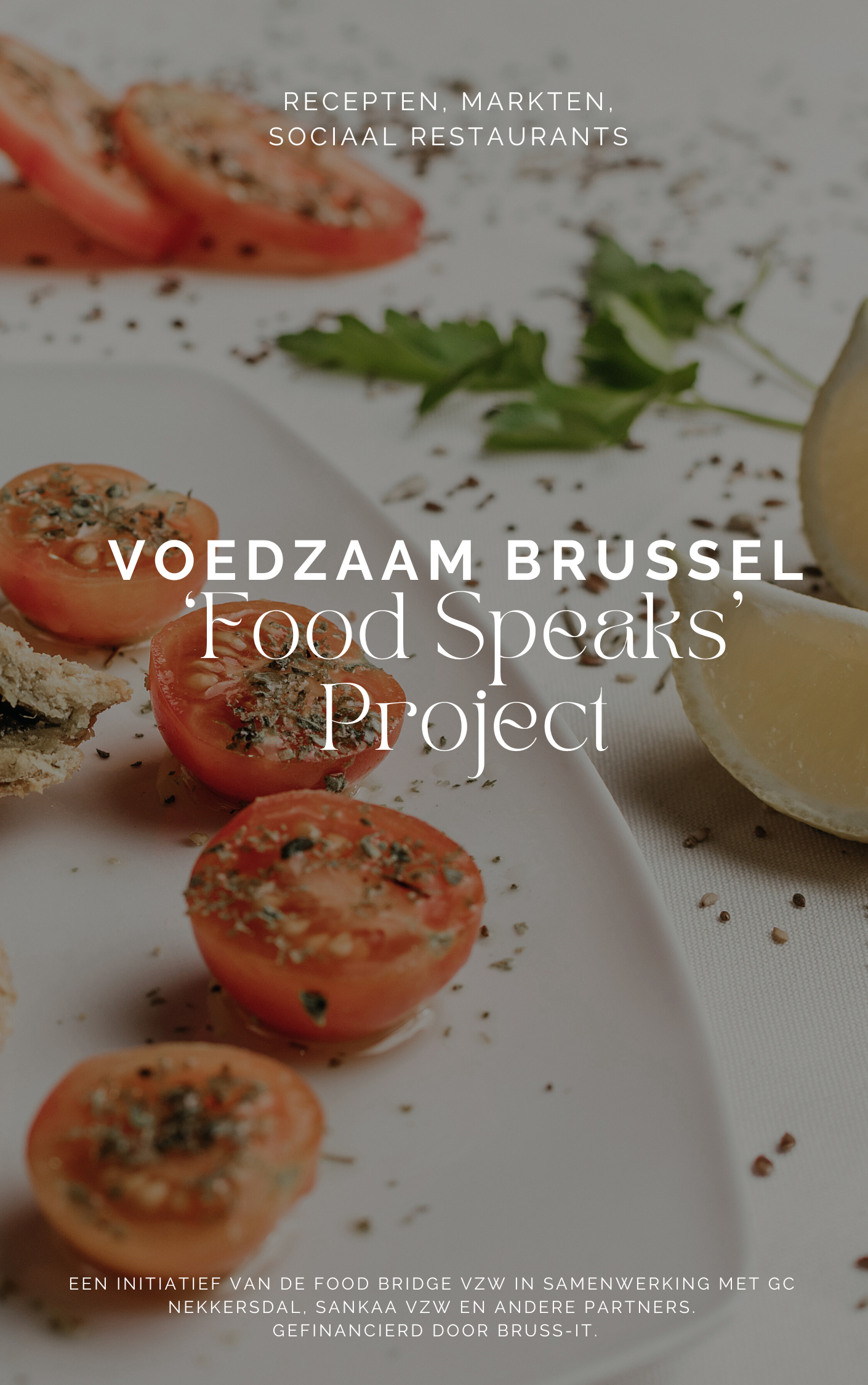
food speaks mag 1People irrespective of their social status, should have access to affordable healthy food even in cosmopolitan cities like Brussels.

As part of the closing report for the Food Speaks Project , we have a new publication listing Brussels food markets, social restaurants and recipes from diverse communities in Brussels. 

The project is an initiative of the Food Bridge vzw in partnership with GC Nekkersdal, Sankaa vzw, Igbo women organization and otherss; funded by Bruss-it, a program of the Brussels Flemish Government. The publication is in Dutch.

For inquiries oor request for the publication, email This email address is being protected from spambots. You need JavaScript enabled to view it. 
Agrofood Entrepreneurship Training PROSI 1

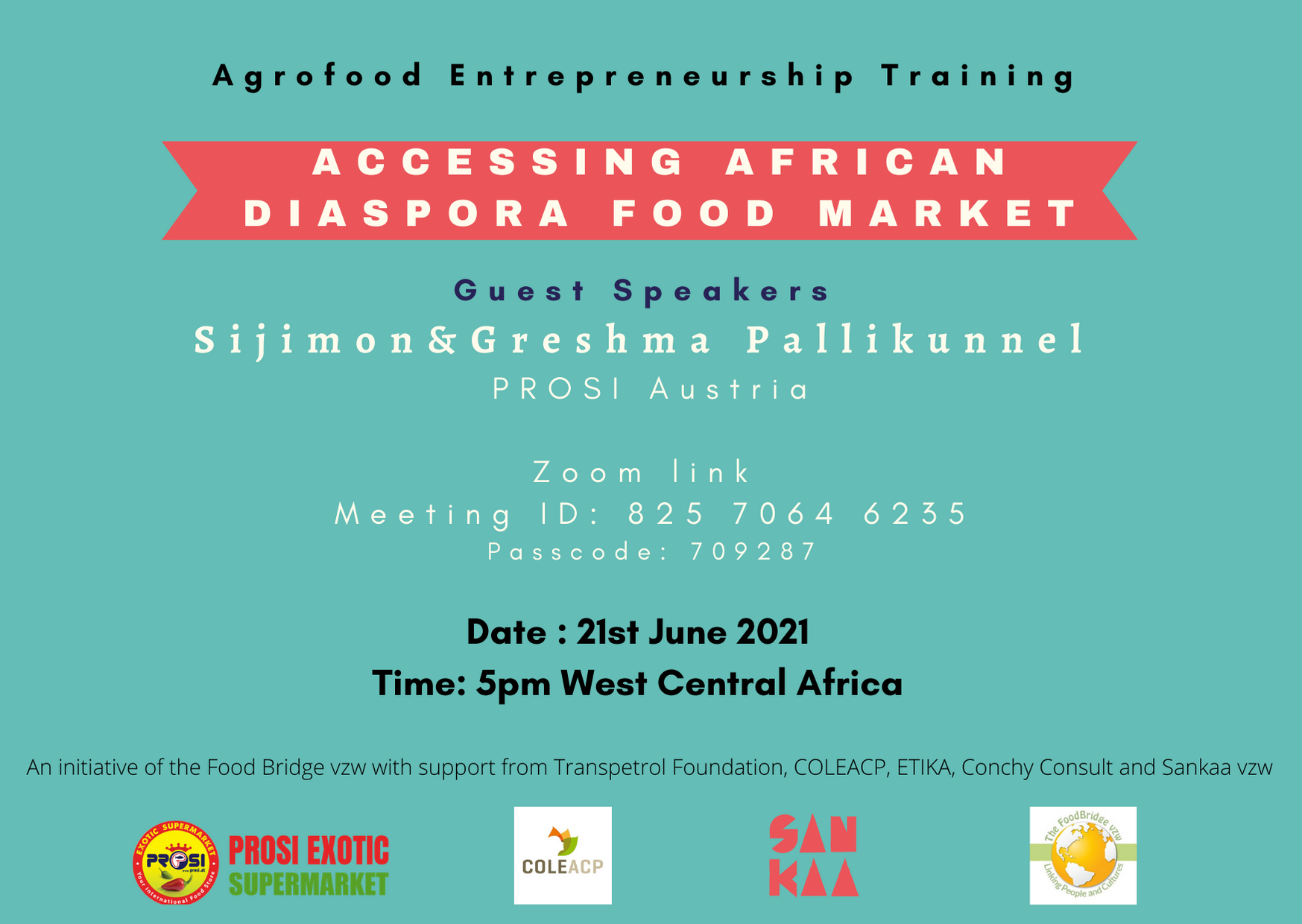
As part of the ongoing Agrofood Entrepreneurship Training, in collaboration with PROSI Group Austria we will be organizing a session focusing on African farmers access to the African Diaspora Agrofood market. The aim of this session is to have an importer of African food explain to the farmers their criteria for selecting food products and suppliers.

The guest speakers are Sijimon&Greshma Pallikunnel, Directors at  PROSI Austria. They will also share their experience as sellers of African food in Europe including the challenges.

The Zoom link for the session is 

Meeting ID: 825 7064 6235

Passcode: 709287


helping hand award 3helping hand award 4

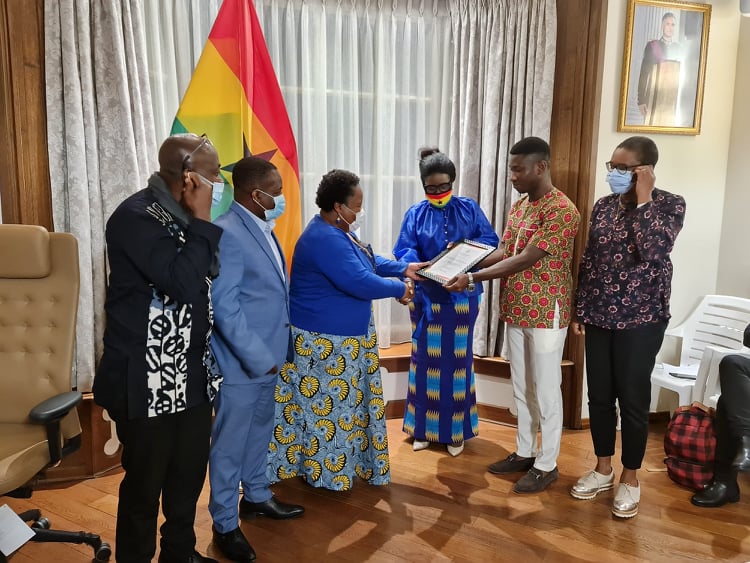
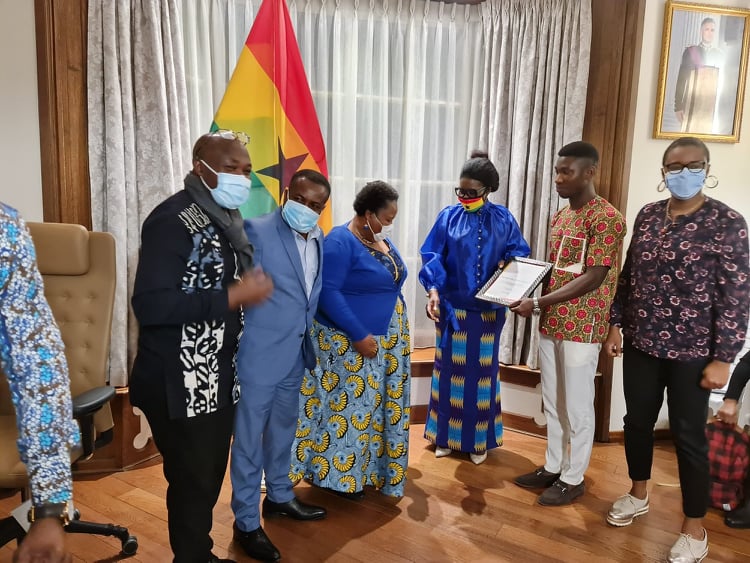
The Food Bridge's Helping Hand Project received an award from the Ghanaian students union Belgium on the 27th of November 2021. According to Mr Erasmus, the student union's outgoing president , the award is in appreciation of the weekly food donations given to African students in Belgium during the covid pandemic lockdown. 

In her speech the Ghanaian ambassador to Belgium, Luxembourg and the EU, Her Excellency Mrs Siaw-Boateng, commended the Food Bridge for their work and encouraged them to continue with the good work they are doing supporting the students and community. She also emphasised the embassy's support for Ghanaian students, informing them of available services and encouraged them to adhere to the covid protocols.

In her acceptance speech, Dr Maureen Duru of the Food Bridge vzw, thanked the students for the pleasant surprise. She mentioned that the Helping Hand's campaign which benefitted the students was with the support of dedicated partners, donors and volunteers. She acknowledged the special role of King Baudouin Foundation and Sankaa vzw, in making the campaign a success.

Dr Duru further informed the students that those of them without food during the festive period, can always send a request to the Food Santa campaign, which starts on the 15th of December 2021.

2e7caf8a f1ee 49fe 9abd 520c66294ca0 fosc susfood2

The Joint Call Board from the ERA-NETs SUSFOOD2 (SUStainable FOOD production and consumption) and FOSC (Food Systems and Climate) are pleased to announce the launch of the Joint Call for Proposals on Innovative solutions for resilient, climate-smart and sustainable food systems.

 This call for proposals is to fund projects that facilitate the transition from current linear food systems to resilient circular systems, including an optimal use of resources and less vulnerability to shocks under consideration of the interdependencies within the systems and its stakeholders.

 It will support projects taking a systems approach considering all relevant aspects in food systems and their potential to increase its sustainability (Topic 1) and resilience (Topic 2).

Proposals should include research on one of the following topics:


  1. Topic I: Innovations to improve food systems sustainability, with a focus on increasing resource efficiency and reducing waste
  2. Topic II: Food Systems adaptation and resilience to system shocks

The Joint Call 2021 follows a one-stage procedure with a deadline for the submission of proposals on 16th of August 2021 - 3 p.m. (CEST). A webinar for interested applicants will be organized on June 2, 2021 at 1:20 p.m. – 2:30 p.m. (CEST).

For more details  visit the websites of SUSFOOD (https://susfood-db-era.net) or FOSC (https://www.foscera.net).

farm to kitchen website

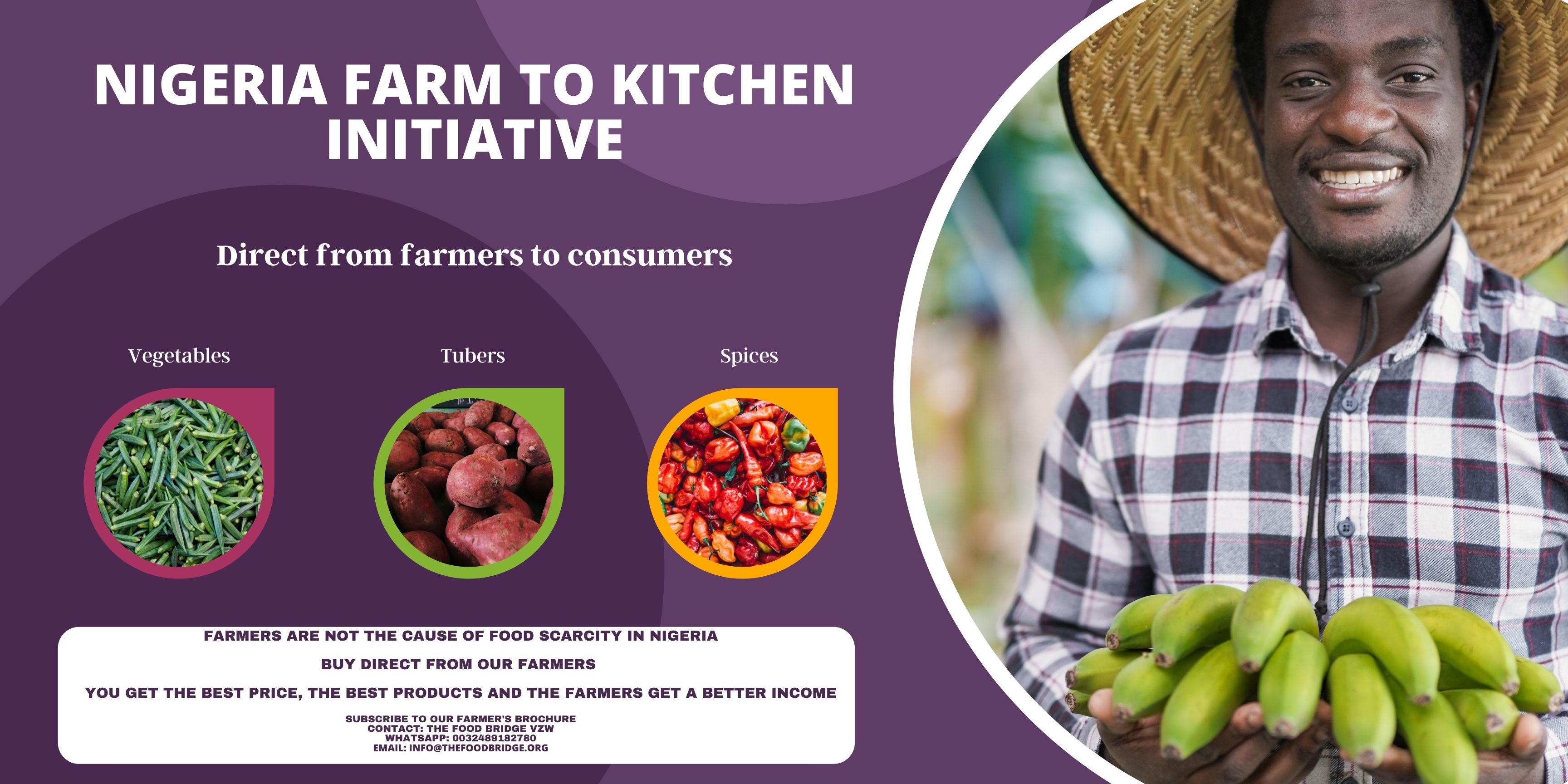
Over the past year, the Food Bridge vzw and its partners have been organizing training and seminars for Nigerian farmers. Despite the rising cost of food in the country, the income of majority of the farmers remains the same. Thus we have started a new intitiative that will  link farmers directly to consumers. Our aim is to offer farmers trained in our programs an opportunity to sell directly to consumers; many of who are looking for safe and affordable food. 

For more details contact This email address is being protected from spambots. You need JavaScript enabled to view it.
 

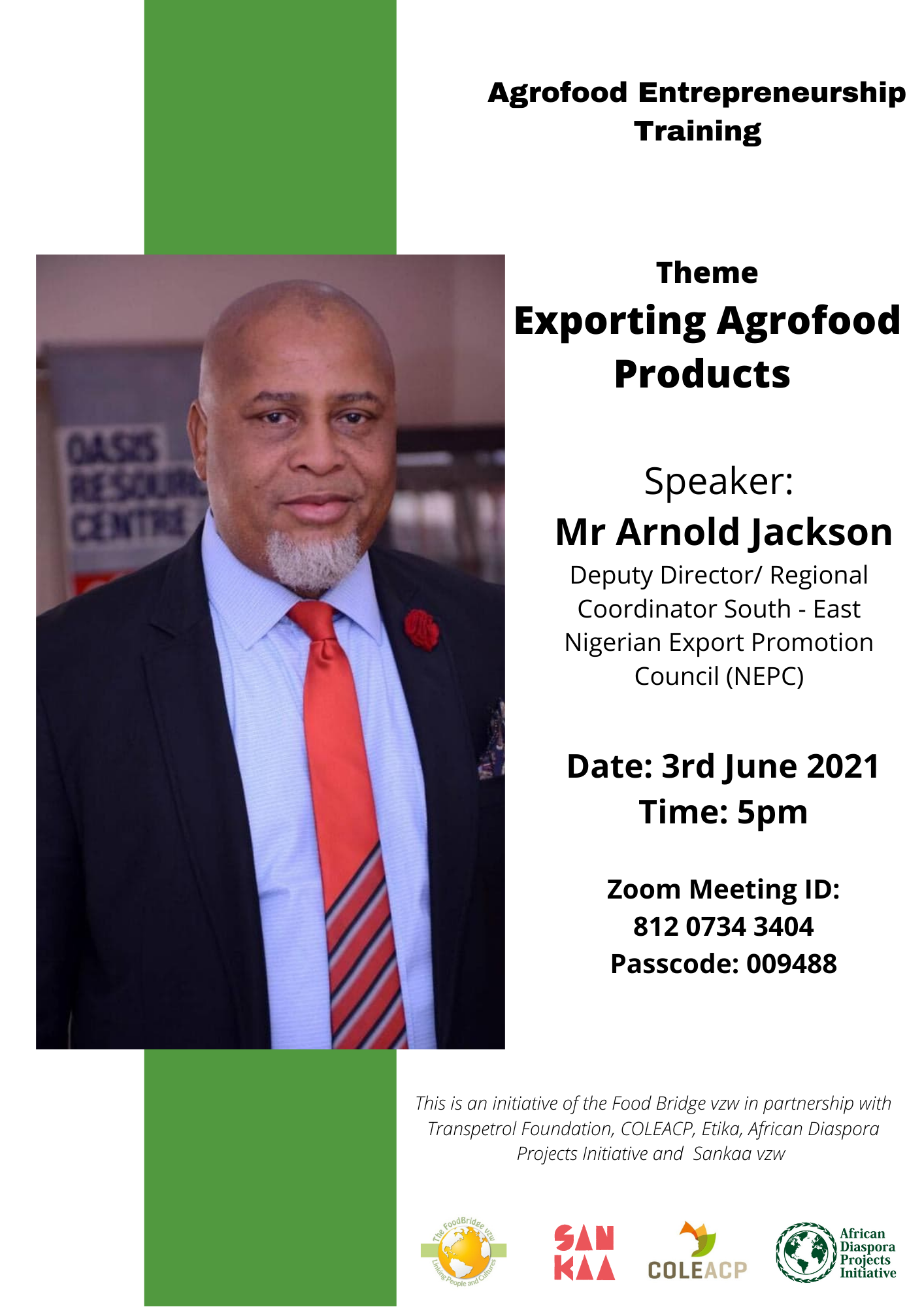
Agrofood seminar Food ExportsThe next session of our Agrofood Entrepreneurship Training in Nigeria will focus on exporting food products from Nigeria. This session scheduled for the 3rd of June 2021 at 5pm Nigerian time is with Mr Arnold Jackson, Deputy Director/ Regional Coordinator South - East, Nigerian Export Promotion Council (NEPC). The aim of this session is to provide relevant information to Nigerian entrepreneurs especially farmers interested in accessing regional and international markets.

 
On Friday 15 October 2021, Netherlands Food Partnership is hosting a unique and uplifting hybrid event for food professionals to celebrate World Food Day 2021.
The event will take a fresh look at three food system challenges: What does enabling healthy and sustainable food choices mean in an unequal food system? How can the potential of advanced digitalisation work be made to work for entrepreneurial food actors? How can a breakthrough be realized in achieving a living income for all?
 
Expect cutting-edge speakers, artistic inspiration and the opportunity to jointly reach fresh insights to contribute to food system transformation in the Global South.
 
keynote speakers
LAWRENCE HADDAD • Fresh global perspectives
Executive Director of GAIN andChair of the Food Systems Summit's Action Track 1
Economist Lawrence Haddad will share his reflections and insights about actionable outcomes of the Food Systems Summit. What do these outcomes imply for our immediate actions as food professionals?
 
CHARLES MICHEL • Fresh vision
Food educator & Activist
Colombian-French food educator, experience designer and community catalyst, Charles Michel (featured on Netflix's The Final Table) refreshes our senses by taking us on a journey that will open our eyes to the root causes and future of (un)healthy and sustainable food choices.
 
DATE: 15 October 2021
TIME: 10.00 – 12.15 CET
LOCATION: Online, live from Pakhuis de Zwijger in Amsterdam
LANGUAGE: English spoken
REGISTRATION: Registration is free

organic

Registration is now open for the 2021 European organic congress. The theme for this year is “Organic’s contribution to the European Green Deal”. it focuses on how the agri-food sector’s initiatives enhance the transition towards a more sustainable food system, through the aid of leading examples from representatives and experts amidst the organic sector. The New EU Organic Regulation 848/2018 will also be explored, while focusing on its implications for the objective of 25% EU organic land by 2030. For more details and registration use this link - https://europeanorganiccongress.bio/
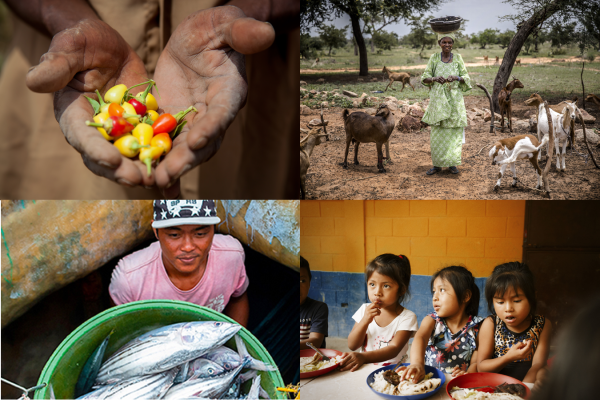
Collage faoRedistration is open now for the  Organisation of African, Caribbean and Pacific States (OACPS) Intergovernmental Food Systems Dialogue co-convened by the FAO. The dialogues  theme is "Building Resilient, Inclusive and Secure Food Systems for Members of the OACPS" and will be held on the 6th of July 2021  at 20:00-22:30 (CET).

For more information and registration - http://newsletters.fao.org/q/13W8013Z0rKQWdAwfnPXo/wv


competition banner with artwork


The United Nations Food Systems Summit is running a “Best Small Business: Good Food for All” competition. The aim of the competition is to showcase inspiring small and medium agri-food companies that are making a positive impact in their community, country and the world. Every applicant will be invited to virtual Summit events. Small businesses around the world that help provide healthy food that is good for the environment, good for their communities and create jobs for people locally are invited to apply and share ideas and suggestions for how their countries and economies can maximize their positive impact.

Any business can apply if it has between five and 250 employees and plays a role in any aspect of food value and supply chain. Each submission will help inform global leaders with the priorities and resources these businesses need to thrive. The Summit will spotlight winners as the “Best 50 Small Businesses: Good Food for All”, as well as a share of US$100,000 in prize money..

Each submission will also help inform global leaders what businesses like yours need to help them thrive. Even if you don’t want to apply to the competition, you can raise your voice by completing just Step 1 of the application. The competition will run from April 29 to June 4, 2021. For more details - https://www.un.org/en/food-systems-summit/best-small-business-comp